
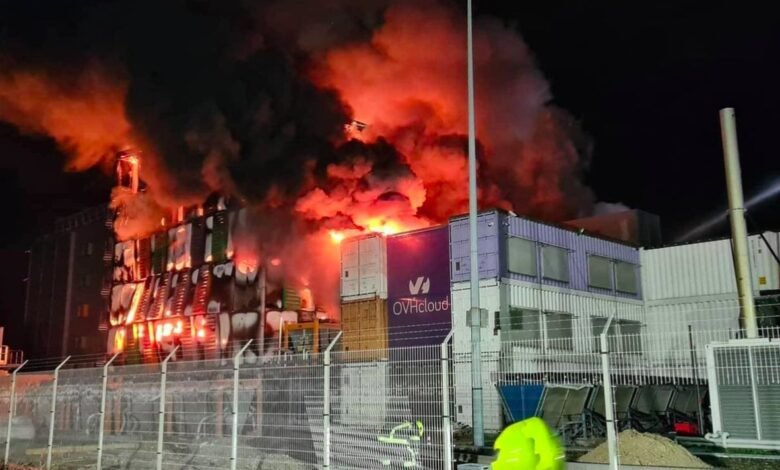
The 2021 OVHCloud data center fire was the stuff of nightmares for anyone in the data protection biz. This wasn’t just a minor hiccup; it was a full-blown catastrophe that left countless customers high and dry, wondering where their precious data went. Many never got their data back.
(This blog post summarizes the latest episode of The Backup Wrap-up podcast. We’re in a series talking about major cloud disasters. If you’d like to check out the episode, you can do so here: https://www.backupwrapup.com/ovhcloud-datacenter-backup-design-total-loss-cloud-disasters/)
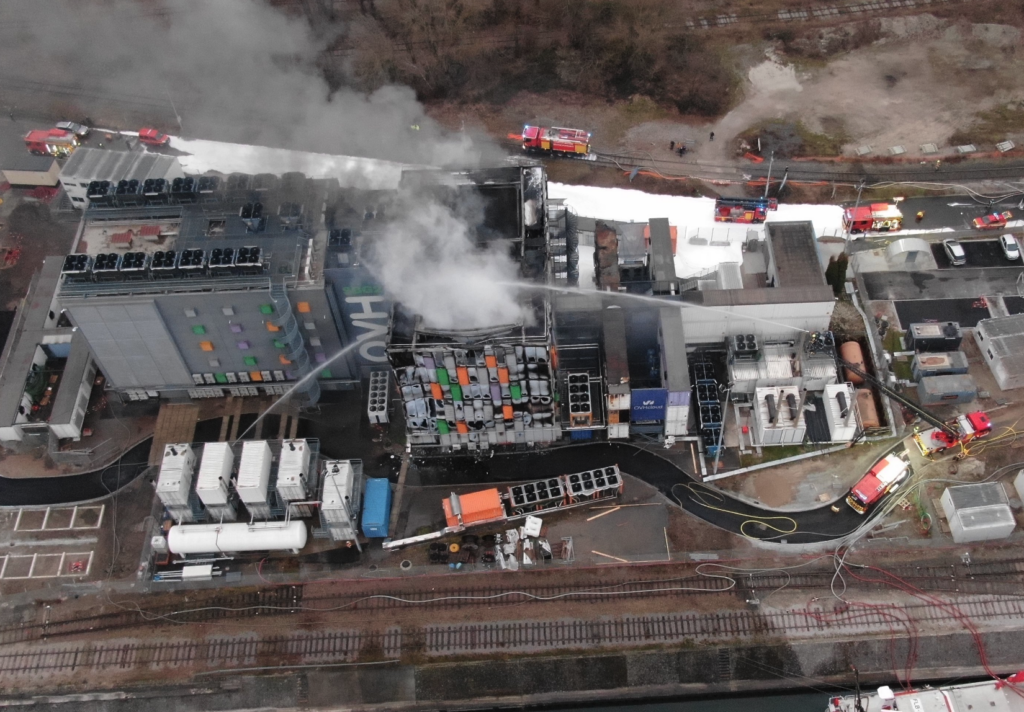
First off, let’s set the scene. OVHCloud, a big-shot cloud provider in Eurpoe, had a data center in Strasbourg, France, go up in flames. And when I say “up in flames,” I mean it. One data center (SBG2) was completely toast, and another (SBG1) was more charred than a forgotten BBQ burger. Customers were left scrambling to recover their data, but for many, it was too late. The damage was done, and their data was gone forever.
Now, you might be thinking, “But Curtis, didn’t OVHCloud customers have backups?” Well, yes and no. Many were paying OVHCLoud for a backup server, but it turns out their backup design was about as reliable as a chocolate teapot. They were storing customers’ primary data and backups in the same @&^&$^%# data center! It’s like putting all your eggs in one basket and then setting that basket on fire. When the data center went up in smoke, it took the primary data and the backups with it. Talk about a rookie mistake!
As you can imagine, OVHCloud found itself in some pretty hot water after this debacle. Customers were understandably furious and took legal action. The company’s decision to store everything in one place was the main point of contention. It just goes to show, folks, you gotta be smart about where you keep your backups.
Here’s how it looked after the flames had calmed down:
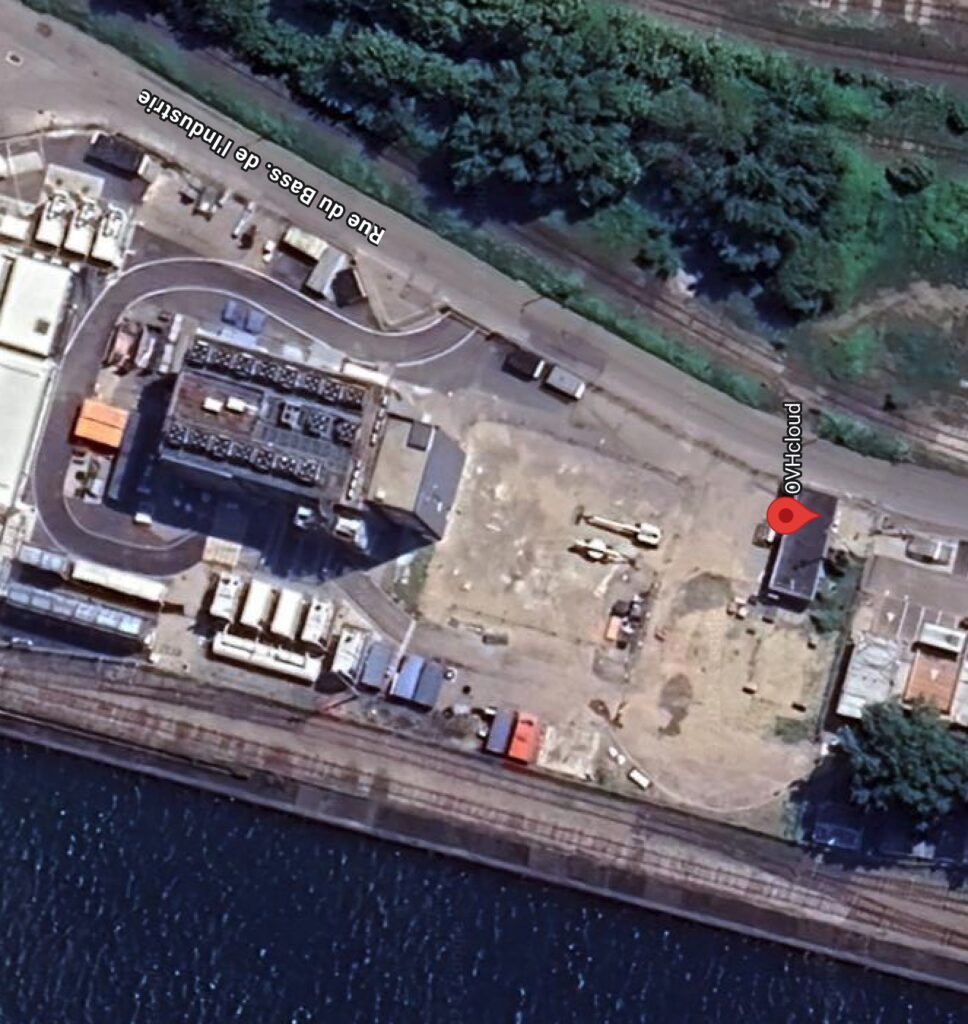
Three years later, it appears there is nothing left of what was on fire.
So, what can we learn from this whole mess? Here are a few nuggets of wisdom:
- Follow the 3-2-1 backup rule religiously. Three copies of your data, two different media, and one offsite. No exceptions! (Yes, there’s more to it these days, but if you’re not doing at least that, don’t even talk to me.)
- Grill your cloud provider like a steak. Ask them about their backup practices, data center locations, and disaster recovery plans. If they start sweating, that’s a red flag.
As backup pros, it’s our job to learn from this dumpster fire and make sure our organizations don’t end up in the same boat. We need to be the cyber recovery heroes that save the day when things go south. By putting best practices into action, asking the tough questions, and always staying one step ahead, we can keep our data safe and sound.
In conclusion, the OVHCloud disaster is a wake-up call for anyone in the data protection game. It’s a reminder that we can’t afford to be complacent when it comes to our backup strategies. By learning from this catastrophe and applying those lessons to our own environments, we can build a more resilient and prepared IT world. Let’s use this as a catalyst for change and show the world what being a backup hero is all about!
Written by W. Curtis Preston (@wcpreston), four-time O'Reilly author, and host of The Backup Wrap-up podcast. I am now the Technology Evangelist at S2|DATA, which helps companies manage their legacy data