
DOGE and GSA recently tweeted that they saved a million dollars a year by converting 14,000 magnetic tapes to “permanent modern digital records.” When I saw this claim, my first reaction was incredulity. But after thinking through the numbers and technology involved, I’ve come to believe this might actually be possible.
This blog post summarizes the main points of my latest podcast episode. If you’d like, you can listen to it or watch it at https://www.backupwrapup.com/)
Why DOGE and GSA’s Tape Migration Could Really Save $1M
Let’s break down what we’re talking about here. DOGE (Department of Government Efficiency) is Elon Musk’s new government organization tasked with finding ways to save money. They claimed the Government Services Administration’s IT team saved $1M annually by converting 14,000 magnetic tapes—which they called “70-year-old technology”—to modern digital records.
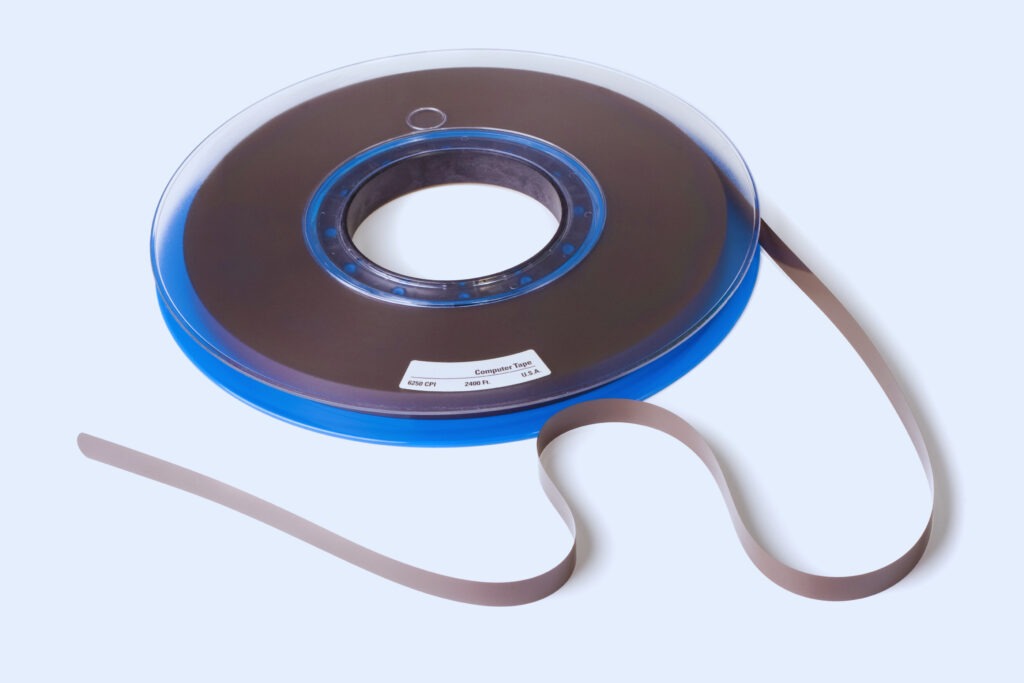
The 70-year-old comment initially made me roll my eyes. Yes, magnetic tape technology was invented in the 1950s, but that’s like saying your car is 120-year-old technology. However, after thinking more about the setup they likely had, I’m willing to bet they were using nine-track tapes—the kind you see in old movies with those giant refrigerator-sized tape drives.
These nine-track tapes are physically enormous compared to what they store. Each one is about the size of a medium pizza and holds just 150 megabytes of data. The drives themselves are massive, complex machines with vacuum systems to maintain tension on the tape.
The Real Cost of Maintaining DOGE and GSA’s Legacy Tape System
When you have 14,000 of these tapes, the physical footprint alone is substantial. A hundred tapes take up about 10 feet of shelf space, so we’re talking about 1,400 feet of storage just for the media. The drives are 33 inches wide and very deep—each one taking up roughly the space of a refrigerator.
Since no one has manufactured nine-track drives in decades, the GSA would need multiple drives just to ensure they always had at least one working. More likely, they had a service contract with some specialized company to maintain these antiques. That service contract alone could approach a million dollars.
These legacy systems also require specialized personnel who understand how to operate them—becoming rarer and more expensive by the year.
How DOGE and GSA Could Modernize This System
The funny thing is, all 14,000 tapes at 150MB each would amount to only about 2.1TB of data total. That entire archive would fit on approximately 20% of a single modern LTO-9 tape cartridge, which holds 45 terabytes.
If I were running this migration project, I’d probably move everything to LTO tape rather than disk. It would be a one-time purchase of a few thousand dollars for media, drives, and maybe a small library—then the million-dollar annual maintenance costs would disappear.
The migration process itself would be far from trivial, though. Reading 14,000 tapes at maximum transfer rates would take around 1,100 hours of actual transfer time. Factor in a normal work week, the project management overhead, and the specialized personnel needed to handle this one-way trip, and you’re looking at maybe six months of work.
Is DOGE and GSA’s Claim Realistic?
Despite my initial skepticism, I think it’s entirely possible that DOGE and GSA could save a million dollars annually by migrating off these ancient nine-track tapes. The physical footprint, specialized maintenance contracts, and specialized personnel costs add up quickly.
What I don’t believe is that they’ve done it already. The tweet spoke about it in past tense, but given the complexity involved, there’s zero chance this project is completed. They’ve probably just approved the plan and calculated the savings.
There’s another important aspect to consider—these old tapes were probably archives from decades ago. Nine-track tapes weren’t designed to hold data for that long, and there’s a significant risk of bit rot. The migration isn’t just about saving money; it’s about preserving potentially critical historical government data before it becomes unreadable.
So while some of my tech friends were quick to dismiss DOGE and GSA’s claim as impossible, I think they’re wrong. This is one government efficiency project that actually makes sense—even if the timeline in the tweet was a bit optimistic.
Written by W. Curtis Preston (@wcpreston), four-time O'Reilly author, and host of The Backup Wrap-up podcast. I am now the Technology Evangelist at S2|DATA, which helps companies manage their legacy data